

In a world of endless notifications, relentless multitasking and constant information overload, the ability to focus is slipping through our fingers. Research suggests the human attention span has shrunk dramatically over the past two decades, with a widely cited Microsoft study putting it at just eight seconds today, down from 12 seconds in 2000. That’s shorter than the attention span of a goldfish.
Meanwhile, chronic stress and cognitive overload are now recognised as major contributors to burnout, anxiety and reduced productivity.
The role of simple rituals in restoring focus
Against this backdrop, scientists are beginning to explore not only what we consume, but also how we consume it, including the role of simple rituals like tea preparation, in restoring mental clarity.
Emerging research into Rooibos – the naturally caffeine-free herbal tisane indigenous to South Africa – suggests that both its bioactive compounds and the act of drinking it may support the brain under pressure.
How stress impacts the brain
From a neuroscience perspective, chronic distraction has measurable consequences.
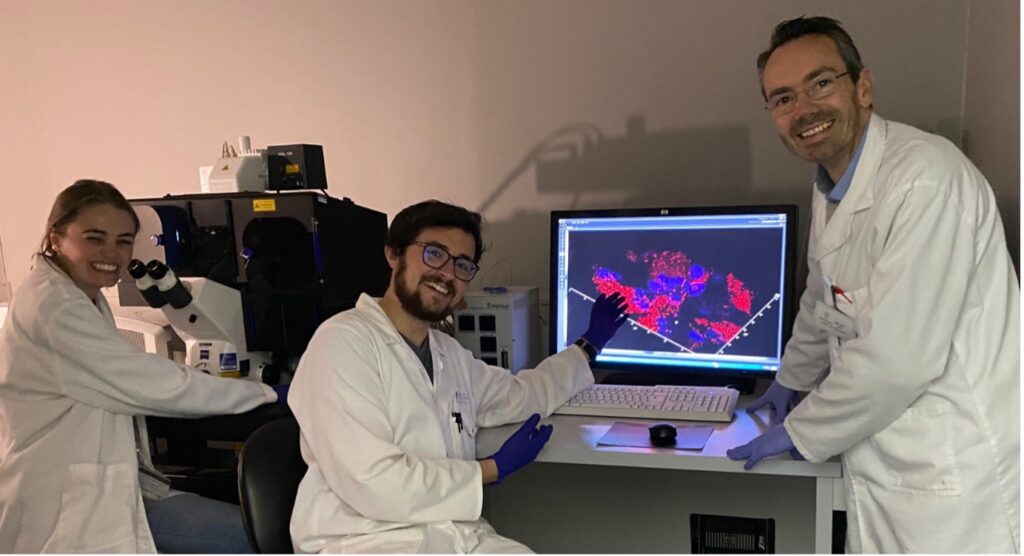
According to Prof Ben Loos from Stellenbosch University’s Department of Physiological Sciences, stress isn’t good for the brain and can affect how well it functions. “It can contribute to a pro-inflammatory state and neuro-inflammation.” He explains that prolonged cognitive overload increases the production of reactive oxygen species (ROS), creating a damaging cellular environment that impairs brain function.
Over time, this affects critical regions, such as the prefrontal cortex, responsible for attention and decision-making, and disrupts neuroplasticity – the brain’s ability to adapt and learn. “Individuals may feel depleted due to an overload of the prefrontal cortex,” Prof Loos notes, adding that unmanaged stress can impair memory and learning capacity.
While much of the modern response to fatigue involves stimulants like caffeine, researchers are increasingly interested in alternatives that support the nervous system without overstimulation. Naturally caffeine-free Rooibos presents one such option.
Antioxidants and cellular protection
At a molecular level, Rooibos contains potent antioxidants, notably aspalathin and quercetin, which have been studied for their neuro-protective potential.
Prof Loos explains that Rooibos works in different parts of the body to help protect cells from the kind of damage that can build up as we age. “In simple terms, the compounds in Rooibos help keep brain cells healthy, support the body’s natural energy levels and keep cells working as they should, which is important for maintaining a sharp, active mind.
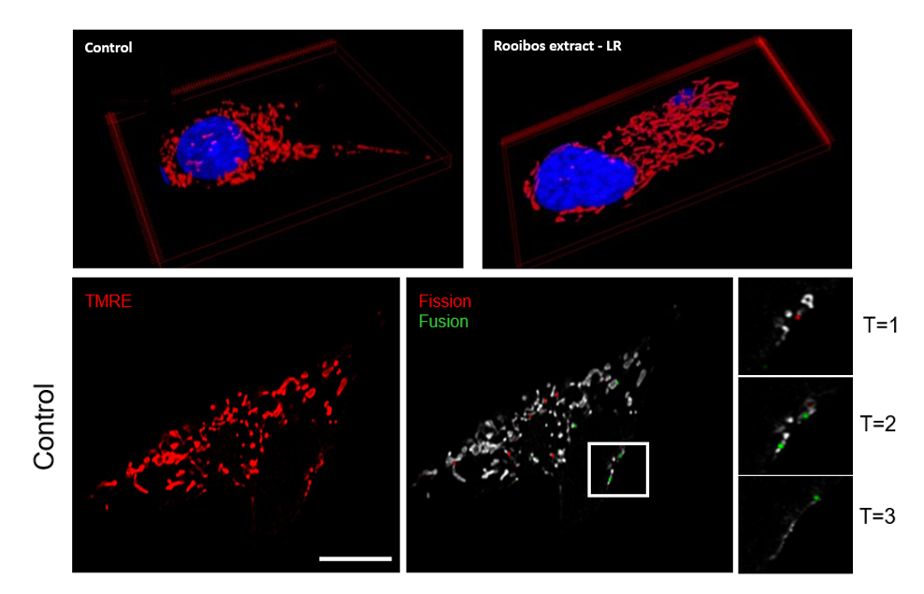
“A big part of this comes down to structures in our cells called mitochondria. These are like tiny energy generators that turn the food we eat into fuel, giving both the body and brain the energy they need to function properly, grow and stay healthy,” he says. For the brain cells, this means, making new connections with other brain cells and simply aging healthier.
Research has highlighted that mitochondrial dysfunction is closely linked to cognitive decline and neurodegenerative diseases. By supporting mitochondrial health, Rooibos compounds may help create a more stable internal environment for cognitive function.
Supporting brain chemicals linked to learning and memory
Dr Taskeen Docrat from the Applied Microbial Health and Biotechnology Institute (AMHBI) at CPUT explains that the natural compounds in Rooibos not only help protect our cells, but might also support the brain chemicals that are important for memory and learning. These antioxidants help the body manage and reduce harmful stress that can damage cells.

She mentions that aspalathin, one of the compounds in Rooibos, helps protect the brain by lowering this kind of stress. Quercetin, another compound, may boost the levels of a protein called BDNF, which plays an important role in helping the brain learn, adapt and store new information.
The science of ritual and the nervous system
But beyond biochemistry, there is growing recognition of the psychological benefits of ritual. Structured, repetitive behaviours, such as preparing and drinking tea, can activate the parasympathetic nervous system, which promotes relaxation and recovery.
Dr Docrat explains that “…ritualised behaviours activate the part of our nervous system that calms us down. This can lower stress hormones in our body, specifically, cortisol. When cortisol levels drop, we tend to feel less stressed, which can lead to better emotional regulation and clearer thinking.”
This aligns with broader psychological research showing that small, intentional rituals can reduce anxiety and improve focus by creating a sense of control and predictability in otherwise chaotic environments.
Importantly, Rooibos offers these benefits without the potential downsides of caffeine. While moderate caffeine intake can enhance alertness, excessive consumption – particularly in high-stress contexts – may increase heart rate, anxiety and sleep disruption.
“Opting for a caffeine-free drink like Rooibos could provide safer support for the nervous system without the crash,” Dr Docrat notes.
A holistic approach to focus and mental clarity
Although direct evidence linking Rooibos consumption to improved focus is still emerging, the underlying mechanisms are compelling. Prof Loos cautions that it’s not easy to correlate what they see on the molecular level to high-level functions, such as mental focus, but adds that improved cellular health in the brain likely supports better neuronal function overall.
In a world where distraction is the norm, the solution may not lie in pushing the brain harder, but in creating conditions that allow it to function optimally. Incorporating simple, non-caffeinated rituals like drinking Rooibos may offer a dual benefit – biochemical support for brain health and a psychological pause that resets attention.
As Prof Loos concludes, we need moments of calm, silence and focus to manage stress, sharpen the mind and support resilience and creative thinking.